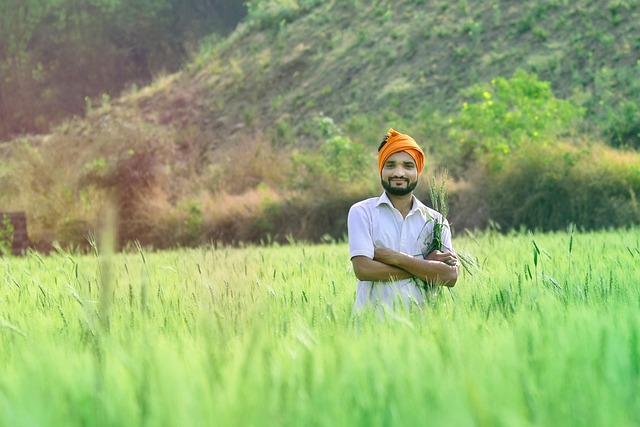
SootDive was founded in 2017 with a straightforward purpose: make proven water conservation techniques accessible and practical for small-scale farmers. We saw a gap between the sophisticated irrigation technology available to large agricultural operations and the resources available to farmers working 1 to 50 acres. Our team set out to bridge that gap with clear, actionable guidance that respects both your time and your budget.
Every guide, tool, and resource on this site is built around one question: will this actually help a working farmer save water and grow better crops? If the answer is not a clear yes, it does not make it onto SootDive.
SootDive started because our founding team experienced the problem firsthand. Working on a 12-acre vegetable operation in upstate New York, we watched water bills climb every summer while yields plateaued. The irrigation advice we found online was either written for industrial farms managing thousands of acres or was so generic it did not account for soil type, crop variety, or regional climate differences. Extension service publications, while valuable, often assumed knowledge we did not have yet and used terminology that required its own research to understand.
We started documenting what actually worked on our land: which drip emitter spacing reduced clogging in our silty soil, how much our raised beds dried out between July storms, what scheduling adjustments produced the best tomato yields without wasting water on days when the forecast called for rain. Neighbors began asking for copies of our notes, and those notes eventually became the first SootDive guides.
Over the past nine years, those early field notes have grown into a comprehensive library of irrigation guides, soil monitoring tutorials, rainwater harvesting plans, and interactive tools used by more than 4,200 small-farm owners across the country. We have expanded our coverage to include regional adaptation tips for climate zones from the arid Southwest to the humid Southeast, and we continue adding new content based on reader requests and emerging research from agricultural universities.
What has not changed is our commitment to practical, tested information. Every technique we recommend has been verified against published agricultural research or validated by farmers who have implemented it on their own land. We do not publish theory-only content, and we are transparent about the limitations of our tools and recommendations.
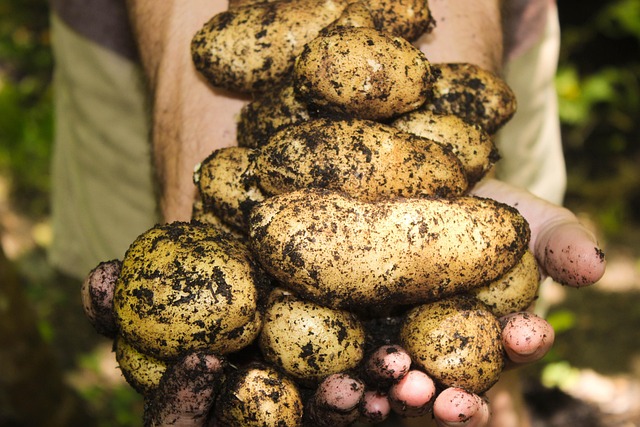
Our mission is to empower small-farm owners with the knowledge and tools they need to manage water responsibly, reduce operating costs, and build long-term agricultural resilience. These values guide every piece of content we publish and every tool we build.
We prioritize advice you can act on this week over concepts that sound impressive but require a PhD to implement. Our guides include specific measurements, product recommendations at real price points, and step-by-step instructions with photos. If a technique requires specialized equipment or training, we say so upfront rather than glossing over the complexity.
Our irrigation recommendations draw on published research from institutions including Cornell Cooperative Extension, UC Davis, and the USDA Natural Resources Conservation Service. When we cite statistics about water savings or yield improvements, we reference the source conditions so you can judge whether the results are likely to apply to your situation.
Large-scale agriculture has its own ecosystem of consultants, engineers, and technology providers. Small farms often do not have access to those same resources. Every SootDive guide is written with the 1-to-50-acre farmer in mind, accounting for limited budgets, smaller water systems, and the reality that many small-farm owners handle irrigation installation and maintenance themselves.
We clearly state the limitations of our tools and advice. Our irrigation planner provides estimates, not guarantees. Water savings percentages represent typical ranges, not promises. When local regulations or professional expertise should be consulted before taking action, we say so explicitly. Building trust with our readers matters more than inflating our content with bold claims.
Water is a shared resource. The techniques we promote are designed not just to save individual farmers money, but to reduce pressure on local aquifers, streams, and municipal water systems. We believe that responsible water management at the farm level contributes to the health of entire watersheds and communities that depend on those water sources.
Irrigation science evolves, and so do our guides. We review and update existing content annually to reflect new research findings, product availability changes, and feedback from our readers. When a technique we previously recommended is superseded by a better approach, we update the guide and note what changed. Our goal is accuracy, not just volume.
SootDive is maintained by a small team that combines hands-on farming experience with backgrounds in agricultural science, environmental engineering, and technical writing. We work with contributing farmers and researchers across multiple growing regions to ensure our content reflects diverse conditions and real-world results.
Founder & Lead Writer
Former vegetable farmer with 14 years of hands-on irrigation experience. Holds a B.S. in Environmental Science from SUNY ESF. Manages all editorial content and guide development.
Irrigation Systems Specialist
Licensed agricultural engineer with expertise in drip and micro-sprinkler system design. Previously consulted for NRCS on small-farm water conservation projects in the Mid-Atlantic region.
Soil & Water Analyst
M.S. in Soil Science from Penn State. Develops our soil moisture monitoring guides and manages the data models behind the irrigation planner tool. Passionate about making sensor technology affordable.
Content Editor & Researcher
Technical writer with 8 years of experience in agricultural publishing. Ensures all SootDive content is accurate, clearly written, and accessible to readers regardless of their technical background.
Everything on SootDive is free to access. We believe that water conservation knowledge should not be locked behind paywalls when the stakes for farmers and communities are this high.
Detailed walkthroughs covering drip system installation, sprinkler selection, soaker hose placement, and more. Each guide includes materials lists, tool requirements, estimated time, and common mistakes to avoid. Written so you can follow along from your barn or field without needing prior irrigation experience.
Browse guidesInput your farm size, crop type, soil type, and climate zone to receive a customized irrigation recommendation. The planner calculates estimated daily and monthly water needs, suggests the best delivery system, and provides a scheduling framework based on published crop water coefficient data from agricultural research institutions.
Open plannerFrom calculating your roof catchment potential to choosing the right tank size, our rainwater harvesting section walks you through designing a collection system matched to your property. Includes guidance on first-flush diverters, filtration, pump selection, and connecting harvested water to your irrigation lines safely.
Explore harvestingOur printable water usage calendar, seasonal maintenance checklists, and crop water requirement quick-reference charts are designed to hang in your equipment shed or sit on your desk. Formatted for easy printing on standard letter-size paper, they give you at-a-glance references when you are out in the field making irrigation decisions.
Get downloadsThese figures reflect our growth since 2017 and the community of farmers who use our resources to manage water more effectively on their land.
4,200+
Newsletter Subscribers
Active small-farm owners receiving monthly tips
45+
Published Guides
Covering irrigation, harvesting, and soil management
38
States Represented
Readers across diverse US climate zones
9
Years of Publishing
Consistently updated since 2017
Accuracy and usefulness are non-negotiable for every piece of content we publish. Here is the process each guide goes through before it reaches your screen.
We review published studies, extension service bulletins, and manufacturer specifications to establish the factual foundation for each guide. Claims about water savings, yield impacts, or system performance are cross-referenced with at least two independent sources.
Whenever possible, techniques are tested on working farms before we write about them. We also incorporate feedback from contributing farmers who have tried specific methods on their own land in various soil and climate conditions.
Our irrigation systems specialist and soil analyst review each guide for technical accuracy before publication. They flag any recommendations that might not hold up across different conditions and ensure safety warnings are included where needed.
Our editor rewrites technical language into clear, direct prose that any farmer can follow without a dictionary. If a term requires explanation, we explain it in context rather than expecting readers to look it up. The final product should read like advice from an experienced neighbor, not a textbook.
Fact-Checked
Every guide verified
Have a question about one of our guides? Want to suggest a topic for future coverage? Interested in contributing your own farming experience to help other readers? We read and respond to every message, typically within two business days.
If you have firsthand experience with a specific irrigation technique, soil management practice, or water conservation strategy that worked on your farm, we would appreciate hearing about it. Farmer-contributed content helps make our guides more diverse and regionally relevant. Email us with "Contribution" in the subject line.
Thank you for reaching out. We typically respond within two business days.
Start with our free irrigation planner to get a personalized recommendation, or browse our step-by-step guides for the technique that best fits your operation. Every resource is free and built specifically for small-scale farmers.