Printable Tools & Templates 📋
Each resource has been developed with input from agricultural extension professionals and tested by small-farm operators. All templates are available in PDF format, optimized for standard letter-size printing, and designed to be filled in by hand or digitally.
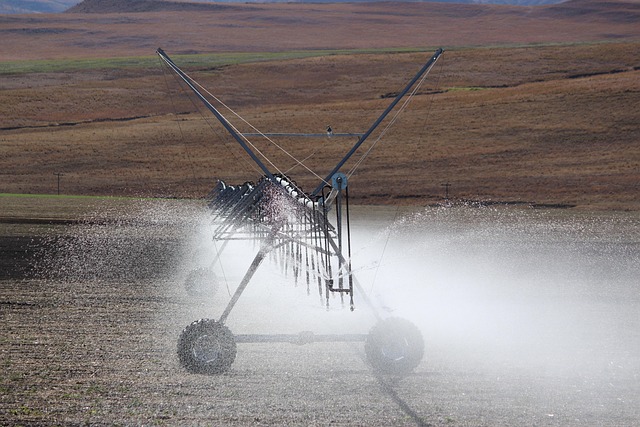
12-Month Water Usage Calendar for Small Farms
This comprehensive calendar provides a dedicated page for each month with space to record daily irrigation volumes, rainfall events, and soil moisture readings. Designed specifically for farms under 50 acres, the calendar includes pre-printed seasonal reminders that prompt you to adjust watering schedules as temperatures and daylight hours change throughout the year. The bottom of each monthly page features a running tally section so you can compare water consumption month-over-month and identify trends in your usage patterns.
Side panels include quick-reference crop water requirement estimates for common vegetables, fruits, and herbs. There is also a dedicated notes section for recording equipment maintenance dates, filter cleaning schedules, and observations about soil conditions or plant health that may influence future irrigation decisions.

Seasonal Irrigation Maintenance Checklist
Prevent mid-season breakdowns and costly repairs with this four-season maintenance checklist. The spring startup section walks you through system pressurization, emitter inspection, filter cleaning, and timer programming step by step. The summer operations section covers weekly checks for clogged drip lines, pressure irregularities, and leak detection. Fall preparation includes flushing protocols and backflow preventer testing. The winterization section details proper drainage, insulation of exposed pipes, and storage recommendations for removable components.
Each task includes a checkbox, estimated time to complete, and a brief explanation of why the step matters. A troubleshooting reference on the final page addresses the twelve most common irrigation system problems, from uneven water distribution to pump cycling issues, with clear corrective actions for each.

Soil Moisture Tracking Log & Data Sheets
This tracking log gives you a structured format for recording soil moisture sensor readings across multiple irrigation zones. Each sheet accommodates up to six zones with dedicated columns for date, time of reading, sensor depth (6-inch and 12-inch), moisture percentage or tension reading, recent irrigation volume, and a notes column for weather observations. The header section includes fields for zone descriptions, crop types planted, and soil type classifications so you can correlate moisture data with specific growing conditions.
The final two pages include a graphing template where you can plot weekly moisture averages to visualize trends over the growing season. A reference chart on the back page shows optimal moisture ranges for common crop categories across different soil types, making it easy to identify when readings fall outside the target zone and adjustments are needed.
Crop Water Requirement Quick Reference Cards
Keep this laminate-ready reference card posted near your irrigation controller or barn wall. It covers 40 of the most commonly grown small-farm crops, organized into five categories: leafy greens, root vegetables, fruiting vegetables, tree fruits and berries, and herbs and flowers. For each crop, you will find the estimated daily water requirement in gallons per 100 square feet at three growth stages: establishment, active growth, and maturation or harvest. Critical water windows, the periods when adequate moisture has the greatest impact on yield, are highlighted in blue for quick identification.
The reverse side features a soil type adjustment table that shows how to modify baseline water amounts for sandy, loam, clay, and silt soils. A separate column accounts for mulched versus bare-soil conditions. All data is drawn from USDA cooperative extension publications and peer-reviewed crop coefficient research, with sources cited at the bottom of each card.

Rainwater Harvesting Planning Worksheet
Before investing in a rainwater collection system, you need to understand your potential supply and actual demand. This worksheet walks you through measuring your roof catchment area, factoring in your roof material's runoff coefficient, and calculating expected monthly collection volumes based on local average rainfall. A demand section helps you estimate how many gallons your farm needs per month during the growing season, making it straightforward to determine the right tank size and whether rainwater can serve as your primary or supplemental irrigation source.
The second page includes a component checklist with space to note gutter sizing, downspout locations, first-flush diverter requirements, filter type selection, and tank placement considerations. A cost estimation table helps you budget for materials and compare options. A regulatory compliance section reminds you to check local ordinances and provides space to record permit requirements specific to your county or municipality.

Drip Irrigation Layout Planning Grid
Designing an efficient drip system starts with mapping your field. This planning grid provides a scaled graph paper layout where you can sketch your planting beds, mark water source locations, and draw mainline and lateral tubing routes. Pre-printed symbols for emitters, valves, filters, pressure regulators, and end caps make your diagrams clear and consistent. The grid scale supports both 1-inch-equals-2-feet and 1-inch-equals-5-feet configurations, accommodating everything from a small raised-bed garden to a multi-acre vegetable operation.
An accompanying calculation worksheet helps you determine the total number of emitters needed, flow rate requirements per zone, appropriate tubing diameters, and whether your water pressure is sufficient for the planned layout. A materials list template on the final page lets you itemize every component with quantities and estimated costs before you visit the supplier, reducing the chance of missing parts during installation.